Why Totalitarianism Still Matters?!
Most people think totalitarianism is a “past problem.” Something tied to black-and-white photos, old wars, and dictators who are long gone. But that belief is risky.
Totalitarianism isn’t just about one cruel leader. It’s a system where the state tries to control everything: your job, your speech, your beliefs, even what you’re allowed to remember.
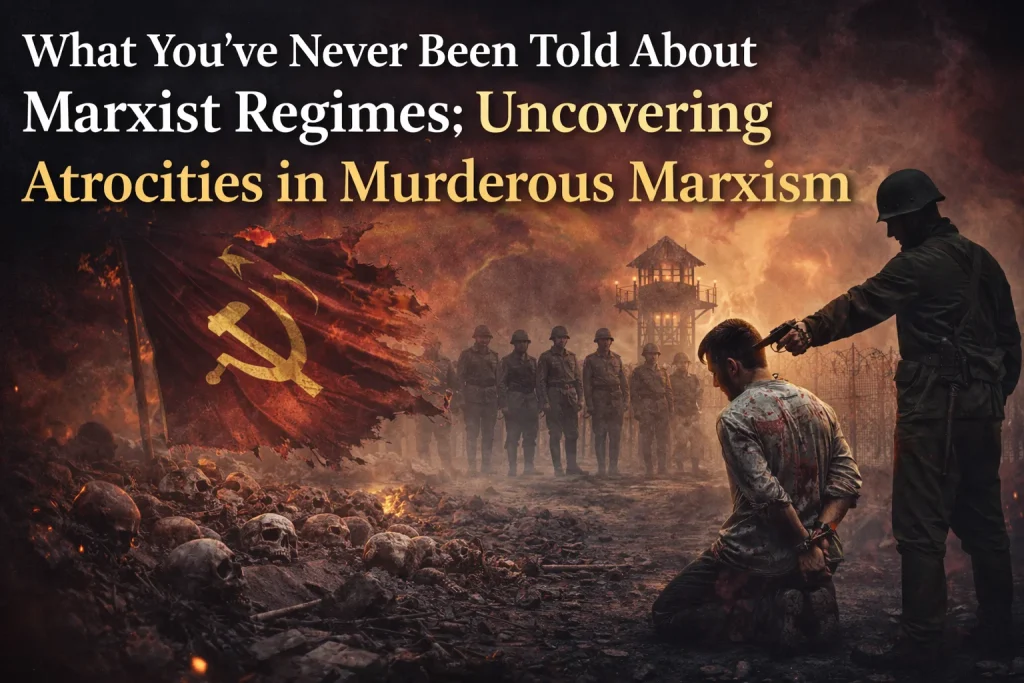
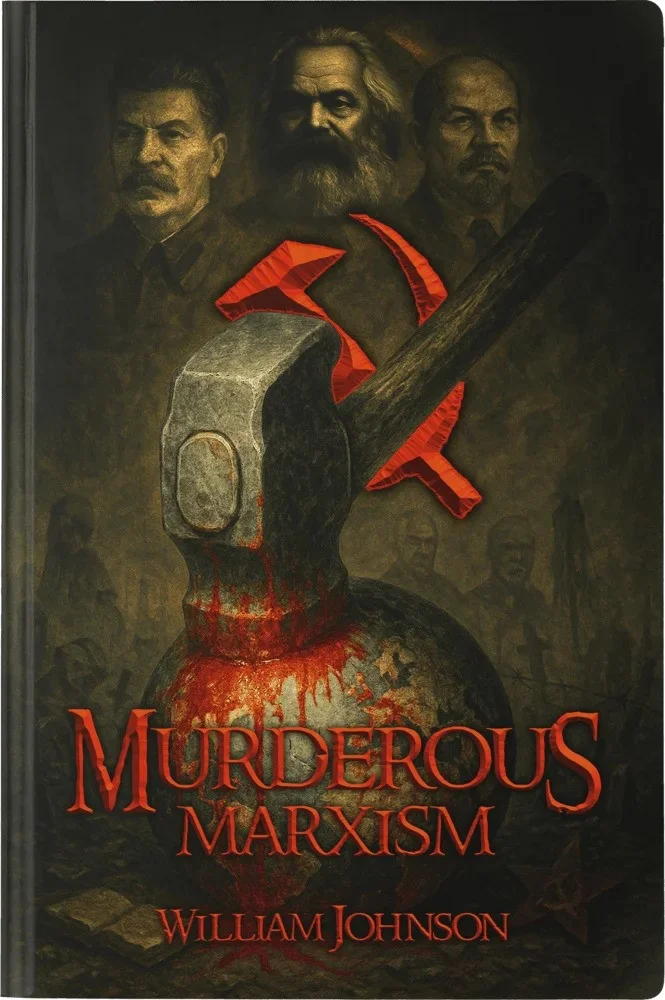
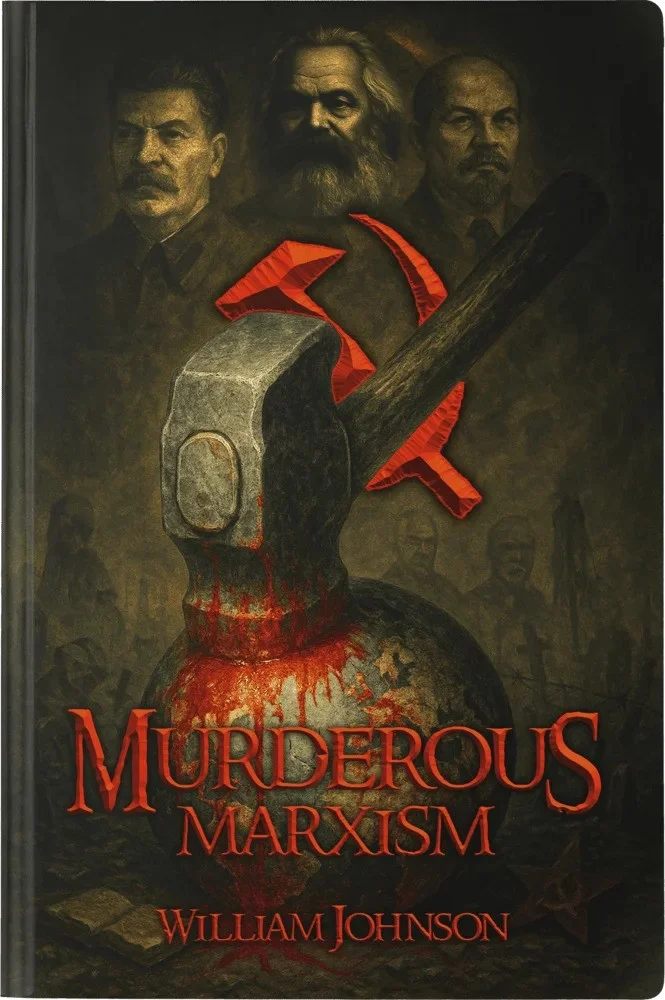
This blog breaks down what makes Marxist systems different, why so many atrocities happened under Marxist Regimes, and why one modern book on totalitarianism, Murderous Marxism by William Johnson, has become such an important read.
Understanding Totalitarianism in Simple Terms
At its core, totalitarianism works like a machine. It doesn’t rely on random cruelty. It relies on structure.
The Core Features of Totalitarian Rule
A true book about totalitarianism usually highlights patterns, not just events. The most common patterns include:
- Total control of news, education, and culture
- Fear-based policing and surveillance
- Censorship, propaganda, and rewriting history
- Harsh punishment for disagreement
- Forced loyalty to ideology over family, faith, or truth
Once these tools exist, the state doesn’t just punish enemies. It creates them.
Why Marxist Regimes Often Turned Violent
In theory, Marxism talks about fairness. In practice, Marxist Regimes repeatedly created governments where power became untouchable.
One key reason is that many Marxist movements claimed they were building a “perfect” society. If the goal is perfect, then any resistance gets treated as evil.
That’s where totalitarianism becomes “justified.” Violence becomes “necessary.” And mass suffering becomes a “temporary sacrifice.”
This is one of the central themes that Murderous Marxism by William Johnson focuses on: how the language of liberation can hide a system built on terror.
The “Black Hole” Problem: How Atrocities Get Forgotten
A major idea in Murderous Marxism by Author William Johnson is that communist history often falls into a “black hole”, not because it didn’t happen, but because it’s not widely taught or discussed.
The book argues that many people know Nazi crimes, but fewer can explain Soviet terror, Chinese labor camps, or engineered famines.
This isn’t about competing tragedies. It’s about missing context.
And when history is missing, totalitarianism becomes easier to repeat, because the warning signs feel unfamiliar.
What Murderous Marxism by William Johnson Actually Does for the Reader
Many history books are heavy, academic, and exhausting. One reason Murderous Marxism by William Johnson stands out is its purpose: it aims to inform regular readers in a more direct, fast-moving way.
What You Learn While Reading
This totalitarianism book gives readers:
- A wide view of communist systems across countries
- Comparisons between regimes and repeated patterns
- Explanations of propaganda and suppression
- A clear link between ideology and state violence
In other words, it’s not just a timeline. It’s a warning manual.
The Most Shocking Atrocities Linked to Marxist Regimes
This is where Murderous Marxism by William Johnson becomes hard to ignore. The book covers multiple countries and shows recurring methods of control.
Common Atrocity Patterns Highlighted
Only a few examples are needed to see the larger point:
- Man-made famines used as tools of control
- Secret police systems built to crush dissent
- Concentration camps and forced labor networks
- Religious persecution and destruction of faith
- Mass executions hidden behind political language
The book also highlights how these systems often avoided documentation, which made the crimes easier to deny later.
This is why Murderous Marxism by William Johnson reads less like an opinion and more like a structured historical case.
Why This Book on Totalitarianism Feels So Relevant Today
A smart book about totalitarianism isn’t just about the past. It helps readers recognize the early signs in modern life.
The book discusses how censorship, narrative control, and ideological pressure can spread even in countries that call themselves free.
And importantly, it doesn’t rely on vague fear. It relies on history, showing what happened when speech was restricted, when the media became biased, and when dissent became punishable.
That’s why Murderous Marxism by William Johnson keeps getting recommended: it connects patterns across time.
Who Should Read Murderous Marxism by William Johnson?
This isn’t only for historians or political science students. It’s for anyone who wants clarity.
This Book Is Especially Useful If You…
- Want a straightforward book on totalitarianism without academic overload
- Feel like modern political debates lack historical depth
- Want to understand why Marxist Regimes produced mass repression
- Prefer a direct style with comparisons and examples
A good totalitarianism book doesn’t tell you what to think. It shows you what happened.