Some histories whisper. Others shake the table. This blog explores why books about Marxism still matter, especially when a political idea is studied apart from the suffering attached to its rule.
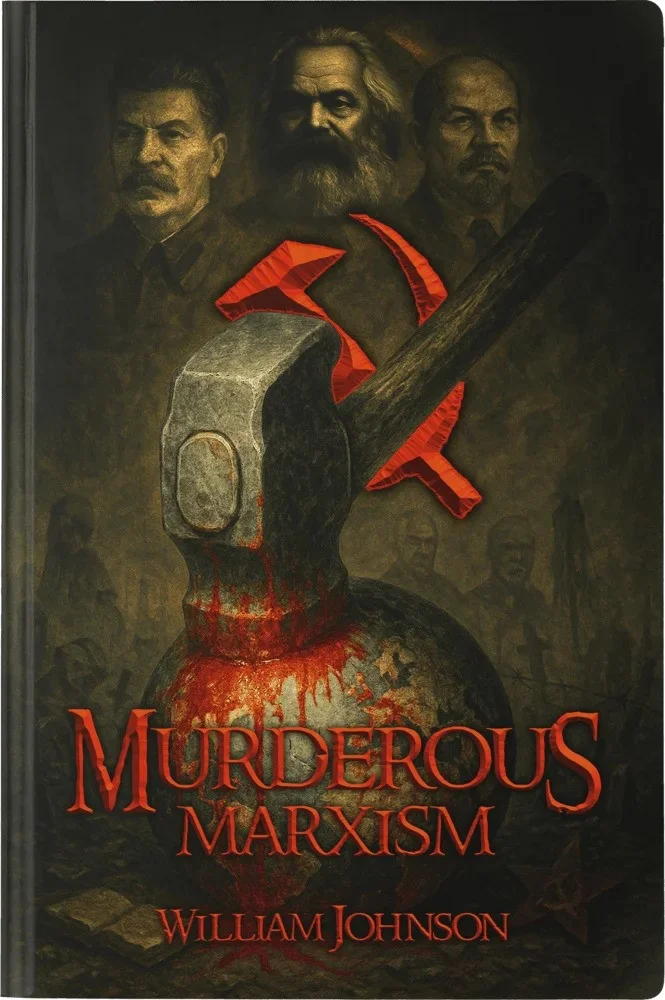
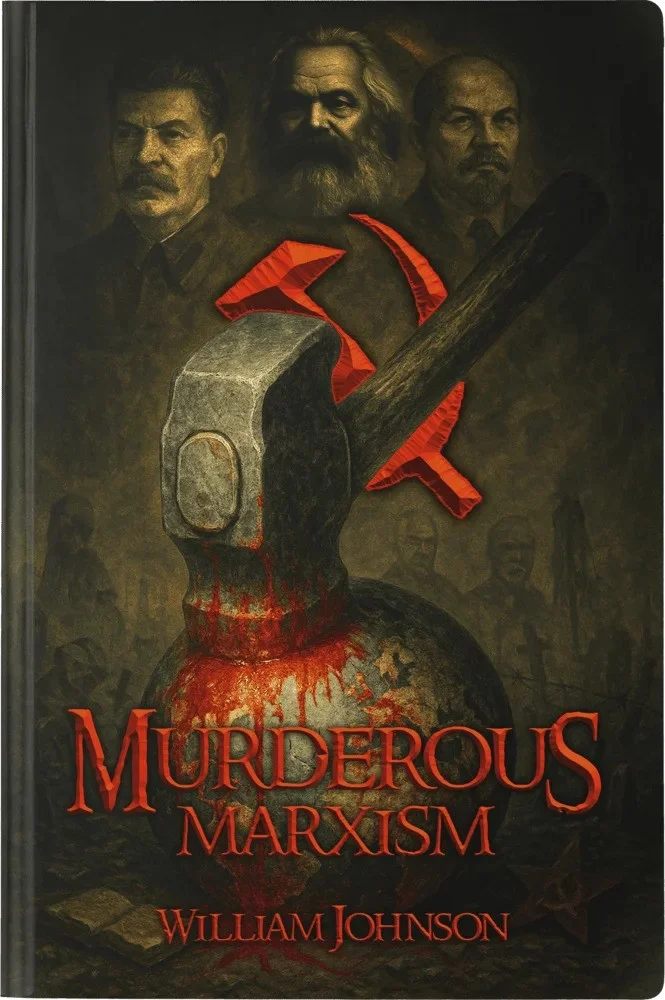
At the center stands Murderous Marxism by William Johnson, a book that does not treat ideology as classroom theory alone. It follows Marxism into governments, prisons, famines, propaganda, censorship, and the lives it shattered.
The Question Behind the Fire
The book begins with a concern: too many readers know Marxism as an idea, but not as a lived historical experience. That gap is exactly where confusion grows.
William Johnson’s purpose is not to bury readers under academic fog. The manuscript presents itself as direct, readable, and built for the average person who wants a clearer view of communist brutality.
Why William Johnson Refuses to Let History Sleep
One of the strongest features of the book is its insistence that forgotten suffering is still suffering. The author argues that communist crimes are often softened, skipped, or dropped into what he calls a historical “black hole.”
That phrase gives the book its pulse. It is not only about regimes and rulers. It is about memory, silence, and the strange way some horrors become fashionable to excuse.
The manuscript moves from the Soviet Union to Eastern Europe, China, North Korea, Vietnam, Cambodia, Cuba, Afghanistan, Ethiopia, Angola, and Mozambique. This wider lens prevents a narrow reading.
What Makes It Stand Apart From the Best Books About Marxism
Many political books explain theory first and consequences later. This one does the reverse. It asks what happened when revolutionary promises became official power.
The book repeatedly returns to several patterns:
- Secret police and state terror
- Man-made famines and forced labor
- Censorship, propaganda, and historical denial
- Families, faith, and private life under pressure
These themes make the book feel less like a timeline and more like a warning map.
Marxism, Communism, and the Human Cost
One clear strength of the book is its effort to separate slogans from outcomes. It explains Marxism in simple terms, then asks how those ideals were used by communist leaders who claimed to speak for workers.
The result is uncomfortable. Equality becomes control. Liberation becomes force. Class justice becomes punishment. The book’s argument is sharp: noble words can become dangerous when no one is allowed to question them.
A memorable line captures its tone: “Communism is the greatest man-made disaster.” It announces the book’s seriousness with unusual force.
A Book Built for Skimmers, Thinkers, and Doubters
The structure is helpful because readers can follow the main trail even when the details become heavy. Each chapter points toward a larger question, not just a list of events.
Readers will quickly understand that the book discusses:
- The rise and rule of the Soviet Union
- Communist actions in postwar Eastern Europe
- Why did people flee Marxist regimes
- Media bias, censorship, and hidden famines
- Conflicts between communist nations
The Power of “Points to Ponder”
The manuscript includes sections called “Points to Ponder,” and they give the work its conversational edge. These moments slow the history down and invite readers to ask sharper questions.
Why did people risk death to escape communist states?
Why were some atrocities widely discussed while others were ignored?
Why do some ideas survive even after producing misery on such a scale?
Those questions make it one of the best books about Marxism. They ask readers to think, not merely nod.
Not Just a Past-Tense Story
The book also connects older Marxist history with modern cultural debates. Some readers may find these sections provocative, but they reveal the author’s broader concern: ideas do not disappear just because regimes collapse.
Author William Johnson argues that political language can be repackaged. Words like justice, liberation, equality, and progress may sound noble, but history teaches readers to ask who defines them and who pays the price.
That is where the book becomes more than historical commentary. It becomes a guide to reading political promises with sharper eyes.
Why the Book Deserves Attention Today
The world is crowded with quick articles, hot takes, and short videos. They may offer facts, but they rarely offer depth, sequence, or memory.
Murderous Marxism by William Johnson gathers scattered history into one forceful narrative. It helps readers see patterns across countries and decades. It makes it harder for victims to forget.
For readers who want a polished and unsettling look at Marxism’s legacy, this book offers a serious place to begin. It asks for attention, not passive agreement.